

Co-creation workshops “From textile leftovers to socially responsible souvenirs” (Latvia)
The aim of the activity was to create sustainable and socially responsible Latvian souvenirs from textile production leftovers and post-consumer materials. The activity combined circular economy principles with social inclusion by developing products that could potentially be produced in a social enterprise involving people with disabilities.
The aim was also to test whether such souvenirs could be attractive for real users and buyers, including individuals, tourists, companies and public institutions looking for meaningful gifts connected to Latvia.
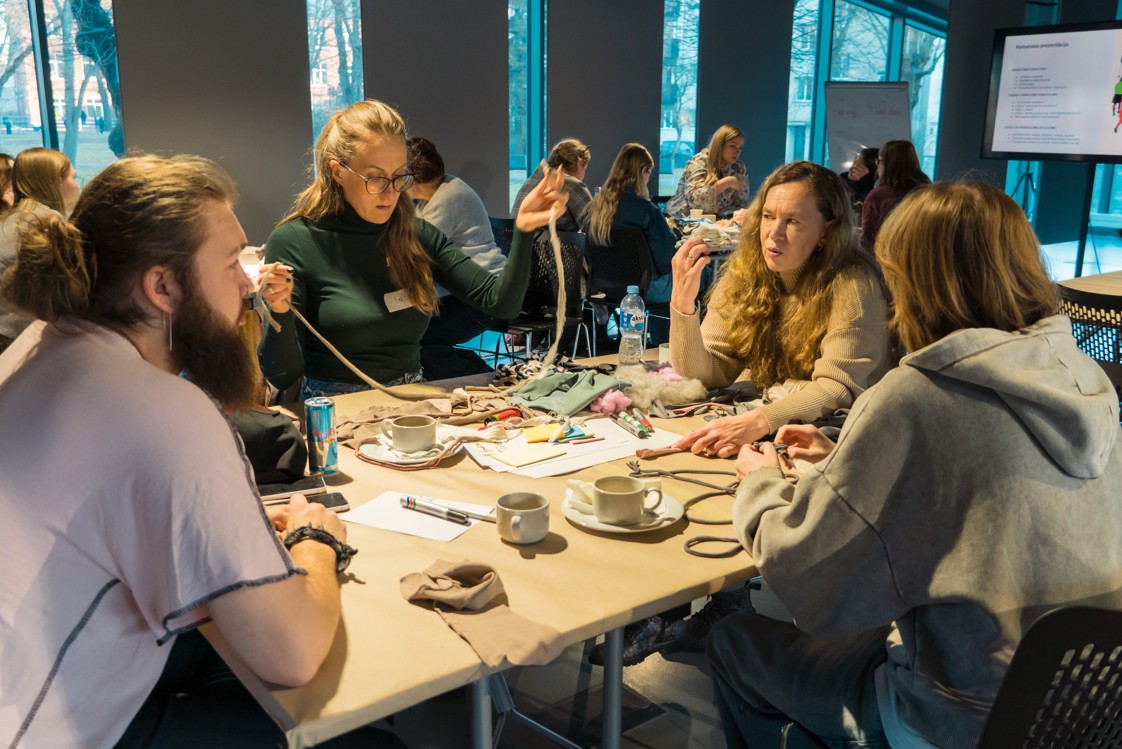
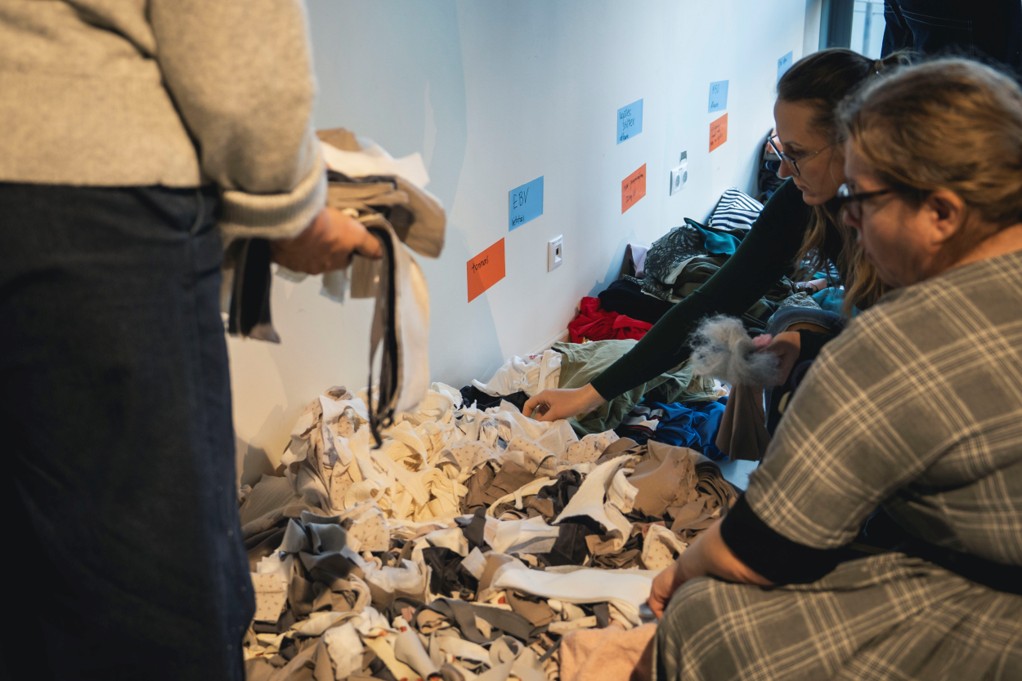
How has the activity been organized:
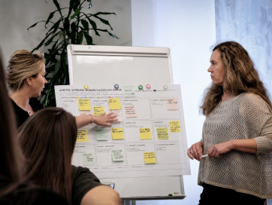
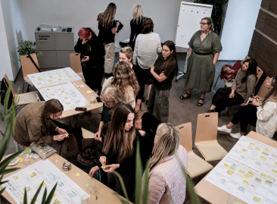
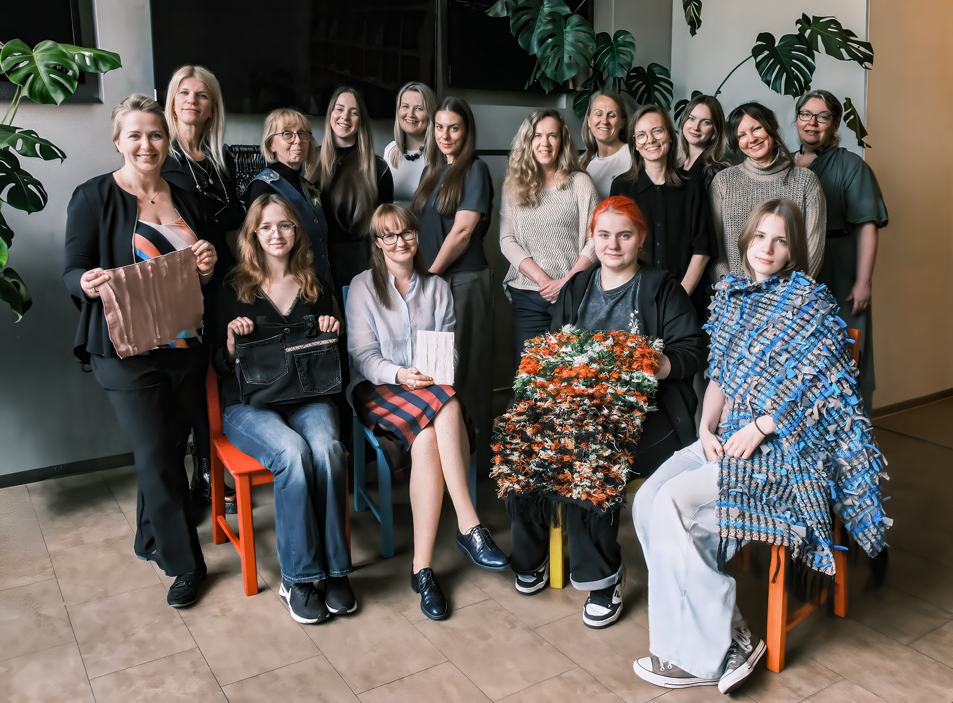
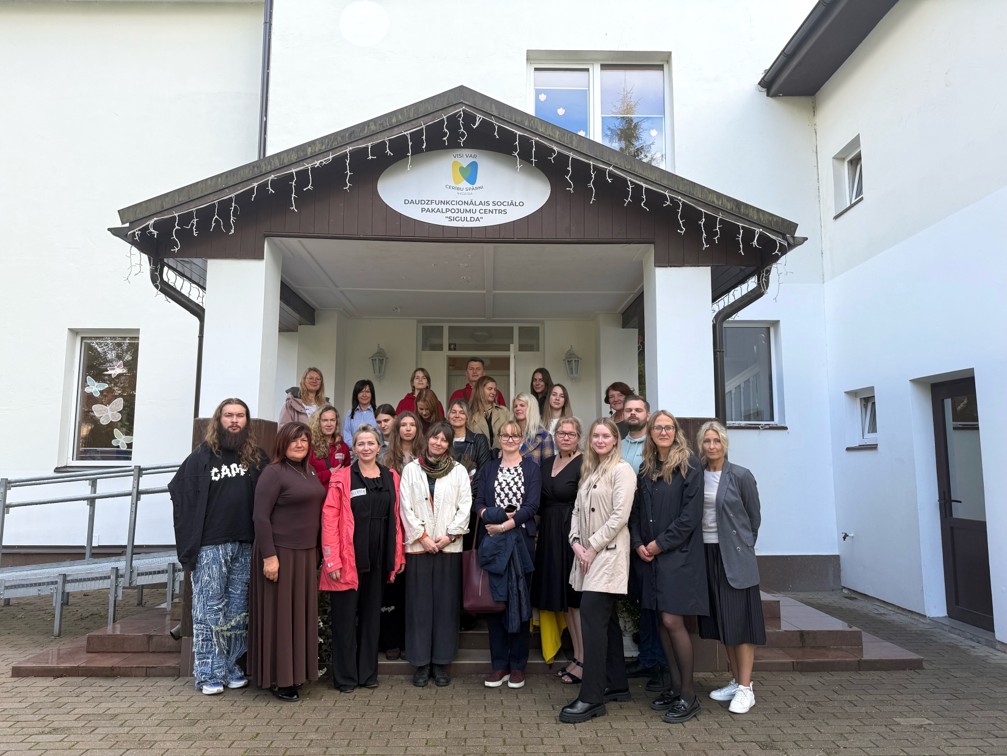
The activity was organized as a co-creation workshop cycle in several Latvian regions: Sigulda, Liepāja, Daugavpils and Rīga. The first workshop in Sigulda brought together partners from design, education, social entrepreneurship, textile reuse, waste management and retail. Participants discussed roles, materials, product requirements, production possibilities and the story behind the souvenirs. They also visited the social enterprise “Visi Var”. The second workshop in Liepāja focused on developing the first souvenir ideas. Participants tested available textile leftovers, discussed target groups and created initial concepts. Public input was also gathered through an online survey and during the Latvian Circular Economy Forum. The third workshop in Daugavpils focused on prototyping. Students and experts experimented with textile modules and different techniques such as weaving, sewing and braiding. Five modules with production potential were selected. In the final stage, five souvenir ideas were developed and evaluated: a scarf-cape, denim bag, table napkins, handicraft kit and notebook cover. The public and potential corporate clients were invited to assess the ideas. As a result, three concepts were selected for further development: the woven scarf-cape, table napkins from fabric edges and a bag made from denim trousers.
What was achieved and what that learned
The social innovation spin-off brought together a broad group of stakeholders and created a practical process for turning textile leftovers into meaningful product ideas.
It moved from general discussion to prototypes and then to three selected concepts with real production potential. The process showed that people value souvenirs that are functional, symbolic, well-designed, easy to transport, sustainable and connected to a personal story. It also confirmed that the product should reflect Latvian nature and identity, while remaining simple enough to produce. One important lesson was that working with textile leftovers – both post-consumer textiles and production cutoffs – requires flexibility, because the available materials differ in quality, size and usability. Product development therefore has to adapt to real material flows. Another lesson was that production in a social enterprise requires clear and simple work steps. A product can be attractive as a design idea, but it also needs to be teachable and realistic for employees with different skills. The activity also showed the importance of product storytelling – explaining who made the souvenir, what materials were used and what environmental and social value the product carries.
Future visions
The activity is planned to continue through further testing and refinement of the three selected souvenir ideas. The next step is for the social enterprise “Visi Var” to test and improve the production process, including checking whether the selected designs can be produced in a clear, repeatable and realistic way by its employees. The same general co-creation model is valuable and could be continued, because it successfully connected material providers, designers, students, retailers, social enterprises and potential clients. However, future activities could place even stronger emphasis on early production testing, cost calculation, pricing, packaging and sales channels. In the next phase, it would be useful to further develop the product stories, including information about the origin of the materials, the people involved in making the souvenirs and the environmental and social value of each product. This could support communication, branding and future sales. It would also be useful to continue cooperation with companies and state institutions that need meaningful gifts for visitors, partners or events. Their feedback can help ensure that the final souvenirs are not only creative and sustainable, but also suitable for real market use. In future, the model could also be expanded by testing an online shop or other sales channels, developing different product sizes and price categories, and creating a repeatable method for turning textile leftovers into socially responsible products in cooperation with social enterprises.
Additional Images/Videos